Mindful Habit Tracking

A gentle approach to monitoring your routines. Track progress without pressure, observe patterns without judgment, and celebrate consistency without perfectionism.

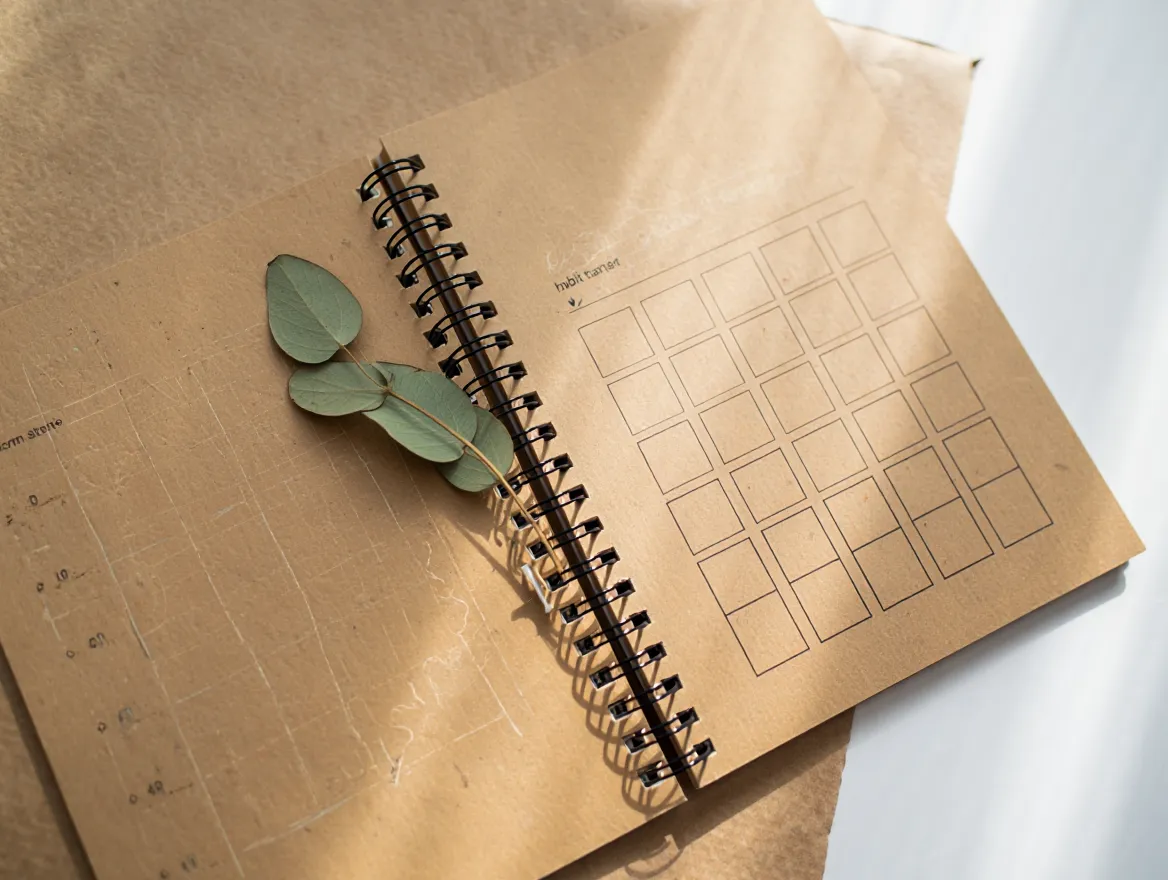
Simple notebook with habit tracking layout representing mindful observation

Tracking as Observation

Traditional habit trackers often create pressure and guilt. Our approach transforms tracking into a practice of curious observation—noticing patterns without attaching harsh judgments.

When you track with self-compassion, you gather valuable insights about:

  • Which habits naturally fit your rhythm
  • Times of day when energy is optimal
  • Environmental factors that support success
  • Patterns that might need adjustment

Choose Your Approach

Different tracking methods work for different people. Explore options and find what resonates with you.

Simple Check-In

A basic yes/no approach. Did you engage with your habit today? No quantities, no time tracking—just gentle acknowledgment.

Color Coding

Use colors to represent how habits felt. Green for natural and easy, yellow for effortful, red for skipped. Reveals emotional patterns over time.

Reflective Journaling

Write brief notes about your experience. What helped? What hindered? Qualitative insights often reveal more than numbers.

Tracking FAQ

Answers to frequently asked questions about our tracking approach.

There's no single right answer. Some people prefer daily check-ins, while others find weekly reviews more sustainable. The key is consistency—whatever frequency you choose, stick with it long enough to see patterns emerge. Start with what feels manageable and adjust based on your experience.

Simply begin again without self-criticism. Gaps in tracking data are normal and don't diminish the value of the information you have collected. Use the break as data itself—what was happening during that period? Sometimes our tracking habits reveal as much about our wellbeing as the habits we're tracking.

We recommend starting with one to three habits maximum. Tracking too many habits can become overwhelming and counterproductive. Focus on the habits most important to you right now. Once those feel established, you can consider adding more to your tracking practice.

Neither is inherently better—it depends on your preferences and lifestyle. Paper tracking offers tactile satisfaction and fewer distractions. Digital tools provide convenience and can generate visual reports. Some people use both: paper for daily logging, digital for long-term analysis. Experiment to find your ideal approach.

Set clear boundaries around your tracking practice. Designate specific times for logging and reviewing—not all day. Focus on trends rather than individual data points. Remember that tracking is a tool to serve you, not the other way around. If tracking ever feels like a burden, simplify or take a break.

Questions About Getting Started?

We're here to support your journey toward sustainable habits. Reach out if you'd like personalized guidance.